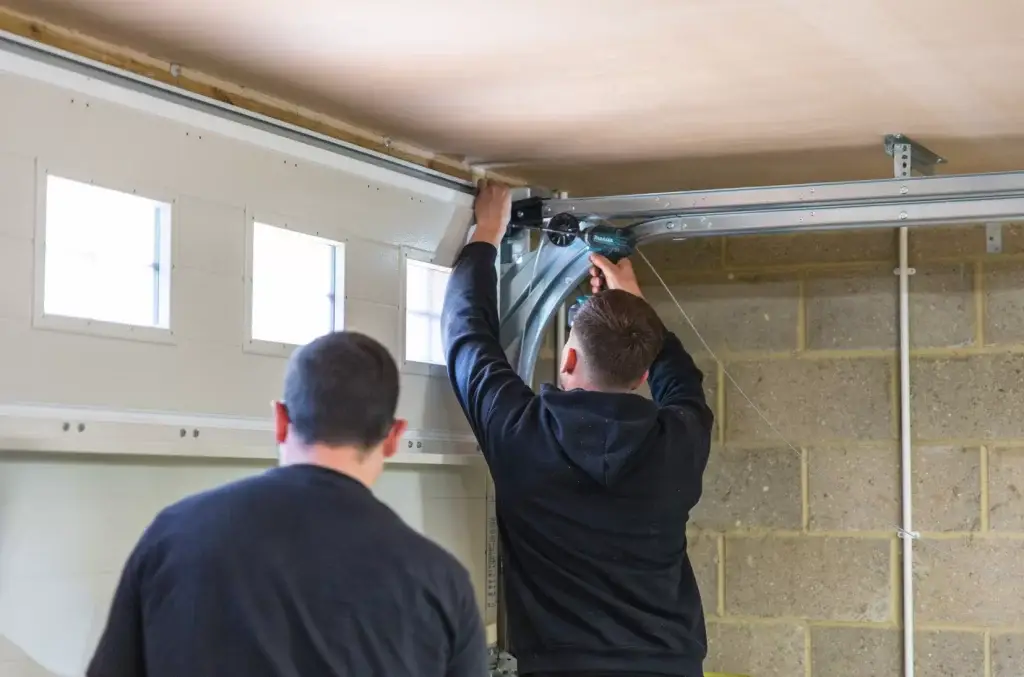
If you’re asking, “What is the average lifespan of a garage door?”, a well-maintained garage door typically lasts 15 to 30 years. The exact lifespan depends on several important factors, including the material of the garage door, how frequently it is used, the local climate, and the quality of its installation and ongoing maintenance.
While the garage door panels themselves can last for decades, components such as springs, rollers, cables, hinges, and the garage door opener usually wear out much sooner and may need to be replaced during the life of the door. Regular maintenance and professional inspections can significantly extend the lifespan of your garage door while improving safety, reliability, and overall performance.
What Factors Affect the Lifespan of a Garage Door?
Not every garage door lasts the same amount of time. Several factors influence how long your garage door will continue operating safely and efficiently.
The biggest factors include:
- Garage door material
- Frequency of daily use
- Climate and weather exposure
- Installation quality
- Routine maintenance
- Garage door opener condition
- Spring condition
- Roller quality
- Track alignment
A professionally installed garage door that receives regular maintenance can often exceed its expected lifespan, while neglected systems may require replacement much sooner.
Average Lifespan by Garage Door Material
The material used to manufacture your garage door has one of the greatest impacts on how long it will last.
Steel Garage Doors
Steel garage doors are among the most durable and popular choices for homeowners.
Average lifespan:
- 15 to 30 years
Benefits include:
- Excellent durability
- Low maintenance
- Affordable pricing
- Wide variety of styles
- Available with insulation
Potential concerns:
- Surface rust if protective coatings are damaged
- Dents from heavy impacts
Aluminum Garage Doors
Aluminum garage doors are lightweight and naturally resistant to rust.
Average lifespan:
- 20 to 30 years
Advantages include:
- Rust resistance
- Lightweight construction
- Modern appearance
- Minimal maintenance
Possible drawbacks:
- More prone to dents than steel
- Thinner panels on some budget models
Wood Garage Doors
Wood garage doors offer timeless beauty and premium curb appeal.
Average lifespan:
- 15 to 25 years
Advantages include:
- Natural appearance
- Luxury finishes
- Excellent curb appeal
- Custom craftsmanship
Maintenance requirements:
- Painting
- Staining
- Sealing
- Moisture protection
Without regular maintenance, wood garage doors may warp, crack, or rot.
Composite and Fiberglass Garage Doors
Composite and fiberglass garage doors provide the appearance of wood with lower maintenance requirements.
Average lifespan:
- 20 to 25 years
Benefits include:
- Moisture resistance
- Low maintenance
- Weather resistance
- Lightweight construction
Possible limitations:
- Fading from prolonged sunlight
- Brittleness in extreme temperatures
Garage Door Components That Wear Out First
Although the garage door itself may last decades, several moving parts naturally wear out sooner.
These components include:
- Torsion springs
- Extension springs
- Rollers
- Lift cables
- Hinges
- Bearings
- Garage door opener
- Weather seals
Replacing worn components as needed helps extend the life of the entire garage door system.
Garage Door Springs
Garage door springs perform most of the lifting every time the door opens or closes.
Typical lifespan:
- 7 to 15 years
- Approximately 10,000 opening and closing cycles
Signs of worn springs include:
- Heavy door operation
- Loud snapping sounds
- Uneven movement
- Door failing to open fully
Garage Door Rollers
Rollers guide the garage door smoothly along the tracks.
Typical lifespan:
- 7 to 12 years
Benefits of upgrading to nylon rollers include:
- Quieter operation
- Less maintenance
- Longer lifespan
- Reduced vibration
Garage Door Opener
The automatic garage door opener also has a limited service life.
Typical lifespan:
- 10 to 15 years
Modern openers provide:
- Smartphone control
- Wi-Fi connectivity
- Battery backup
- Quiet operation
- Improved safety features
Signs Your Garage Door May Be Nearing the End of Its Lifespan
As garage doors age, they often begin showing noticeable warning signs.
Common indicators include:
- Frequent breakdowns
- Excessive noise
- Slow operation
- Sagging door sections
- Rust
- Warped panels
- Broken springs
- Bent tracks
- Worn rollers
- Poor insulation
- Increased maintenance needs
If several of these issues occur simultaneously, replacing the garage door may be more cost-effective than continuing to make repairs.
How to Extend the Life of Your Garage Door
Routine maintenance is one of the most effective ways to maximize the lifespan of a garage door.
Lubricate Moving Parts
Apply a quality garage door lubricant every six months to:
- Springs
- Hinges
- Rollers
- Bearings
- Pivot points
Lubrication reduces friction, minimizes wear, and helps the garage door operate more quietly.
Tighten Hardware
Garage door movement creates constant vibration that gradually loosens hardware.
Regularly inspect and tighten:
- Bolts
- Nuts
- Hinges
- Brackets
- Track fasteners
Keeping hardware secure reduces unnecessary strain on the system.
Schedule Professional Maintenance
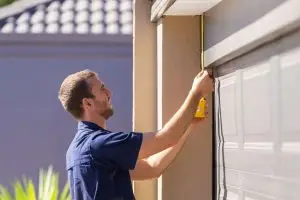
Professional inspections help identify small issues before they become expensive repairs.
Technicians typically inspect:
- Springs
- Rollers
- Tracks
- Hinges
- Lift cables
- Garage door opener
- Safety sensors
- Door balance
Most manufacturers recommend professional servicing every one to two years.
Should You Repair or Replace an Aging Garage Door?
As your garage door approaches the end of its expected lifespan, deciding between repair and replacement becomes more important.
Repairs may be appropriate when:
- Damage is minor
- The garage door is relatively new
- Replacement parts are readily available
- Repair costs are low
Replacement is often the better investment when:
- The garage door is over 20 years old
- Repairs are becoming frequent
- Multiple components are failing
- Structural damage is present
- Energy efficiency is poor
Replacing an aging garage door often improves safety, curb appeal, insulation, and overall home value.
Why Professional Maintenance Matters
Garage doors are among the largest moving systems in most homes.
Professional technicians help ensure:
- Proper spring tension
- Correct track alignment
- Safe cable operation
- Smooth door movement
- Reliable safety features
- Longer component lifespan
Routine maintenance reduces unexpected repairs while helping homeowners get the maximum lifespan from their garage door.
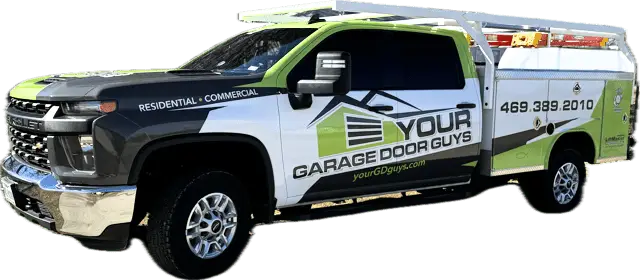
Why Homeowners in Rockwall Choose Your Garage Door Guys
Homeowners throughout Rockwall trust Your Garage Door Guys for professional garage door maintenance, repairs, replacements, and new installations.
Their experienced technicians help homeowners extend the life of their garage doors through:
- Comprehensive inspections
- Preventive maintenance
- Spring replacement
- Roller replacement
- Track adjustments
- Garage door opener service
- Professional installations
Whether your garage door simply needs maintenance or has reached the end of its lifespan, they provide honest recommendations, transparent pricing, and dependable workmanship.
Frequently Asked Questions
What is the average lifespan of a garage door?
Most garage doors last between 15 and 30 years with proper maintenance and professional installation.
What garage door material lasts the longest?
Steel and aluminum garage doors generally offer the longest lifespan while requiring minimal maintenance.
How long do garage door springs last?
Most torsion springs last between 7 and 15 years, depending on usage and maintenance.
How often should a garage door be serviced?
Professional maintenance is recommended every one to two years, along with routine homeowner inspections and lubrication.
Can regular maintenance extend the lifespan?
Yes. Lubricating moving parts, tightening hardware, and replacing worn components can significantly extend the life of a garage door.
When should I replace my garage door?
If your garage door is more than 20 years old, requires frequent repairs, or has major structural damage, replacement is often the most cost-effective long-term solution.
Conclusion
A well-maintained garage door typically lasts 15 to 30 years, but its actual lifespan depends on the quality of the materials, frequency of use, local climate, and regular maintenance. While the garage door itself can provide decades of reliable service, components such as springs, rollers, and garage door openers naturally wear out over time and should be inspected and replaced as needed. By performing routine maintenance and scheduling professional inspections, homeowners can maximize the life of their garage door while improving safety, performance, and reliability.
If you’re unsure whether your garage door is nearing the end of its lifespan, Your Garage Door Guys proudly serves homeowners throughout Rockwall with expert inspections, maintenance, repairs, and garage door replacement services. Their experienced team can evaluate your system, recommend the most cost-effective solution, and help keep your garage door operating safely for many years to come. Call (469) 389-2010 today to schedule an inspection or request a free estimate.