

If you’re asking, “How many turns for a 12×12 garage door?”, a common rule of thumb for torsion spring adjustment is one full turn for every foot of door height, plus an additional half turn. For a standard 12-foot-high garage door, this means the spring generally requires approximately 12½ turns.
However, this is only a general guideline. The exact number of turns depends on several factors, including the spring size, wire diameter, drum size, door weight, and manufacturer specifications. Because garage door torsion springs are under extreme tension, adjustments should only be performed by trained professionals or highly experienced DIYers using the proper tools and safety procedures.
Understanding Garage Door Spring Turns
Garage door torsion springs are designed to counterbalance the weight of the door.
Rather than lifting the full weight, the spring stores energy that helps raise and lower the garage door safely and smoothly.
A commonly used guideline is:
- 1 full turn for every foot of door height
- Add an additional ½ turn
For a 12-foot garage door:
- Door height: 12 feet
- Standard guideline: 12½ turns
This guideline works for many residential installations but should never replace the manufacturer’s recommended specifications.
Why the Number of Turns Matters
Proper spring tension is critical for safe garage door operation.
If there are too few turns, the garage door may:
- Feel extremely heavy
- Fail to stay open
- Place excessive strain on the opener
- Wear out components faster
If there are too many turns, the garage door may:
- Rise too quickly
- Become difficult to close
- Place dangerous stress on the spring
- Increase the risk of spring failure
Correct spring tension allows the garage door to remain balanced throughout its travel.
Factors That Affect the Number of Turns
Not every 12×12 garage door uses the same spring adjustment.
Several factors determine the proper number of turns.
These include:
- Door weight
- Door material
- Spring wire size
- Spring length
- Spring inside diameter
- Cable drum size
- Track configuration
- Manufacturer specifications
A heavy insulated steel door requires different spring settings than a lightweight aluminum door of the same height.
Garage Door Weight Matters
One of the biggest factors affecting spring adjustment is the weight of the garage door.
Heavier doors often include:
- Insulated steel panels
- Solid wood construction
- Full-view glass
- Commercial-grade materials
- Oversized hardware
These doors require springs specifically designed to support their additional weight.
Installing the wrong spring or using the wrong number of turns can create serious safety hazards.
Residential vs. Commercial Garage Doors
Many 12×12 garage doors are considered commercial or semi-commercial installations.
Commercial garage doors often feature:
- Larger cable drums
- Heavy-duty torsion springs
- Commercial operators
- High-cycle springs
- Specialized hardware
Because these systems vary significantly, commercial spring adjustments should always follow manufacturer specifications.

Signs the Spring Is Properly Adjusted
A properly adjusted garage door should operate smoothly throughout its full travel.
Common signs of correct spring tension include:
- The door opens smoothly.
- The door closes evenly.
- The door stays halfway open when released.
- The opener operates without excessive strain.
- The door does not slam shut.
- The door does not shoot upward.
If the garage door behaves differently, the spring may require adjustment.
Safety Considerations
Garage door torsion springs are under tremendous pressure.
Improper adjustments can result in:
- Serious personal injury
- Broken springs
- Damaged garage doors
- Property damage
- Equipment failure
Professional technicians use specialized winding bars and safety procedures to adjust spring tension safely.
Homeowners should never use screwdrivers, pliers, or makeshift tools when winding torsion springs.
When to Replace Instead of Adjust
Sometimes improper operation is caused by worn components rather than incorrect spring turns.
Common signs that replacement may be needed include:
- Broken springs
- Rusted springs
- Uneven lifting
- Frayed cables
- Bent tracks
- Excessive noise
- Visible gaps in the spring
Replacing worn parts often restores proper balance more effectively than additional adjustments.
Importance of Professional Spring Adjustment
Professional garage door technicians calculate spring tension using precise measurements rather than estimates.
They evaluate:
- Door weight
- Spring dimensions
- Drum size
- Lift cables
- Track configuration
- Door balance
This ensures the garage door operates safely while maximizing the lifespan of every component.
Tips for Maintaining Your Garage Door Springs
Proper maintenance helps extend spring life and improve overall performance.
Recommended maintenance includes:
- Lubricate springs every six months.
- Inspect cables regularly.
- Tighten loose hardware.
- Listen for unusual noises.
- Test door balance periodically.
- Schedule professional inspections every one to two years.
Routine maintenance reduces wear and helps prevent unexpected spring failures.
Why Homeowners in Rockwall Choose Your Garage Door Guys
Homeowners and business owners throughout Rockwall trust Your Garage Door Guys for professional garage door spring replacement, repairs, installation, and maintenance.
Their experienced technicians provide:
- Accurate spring sizing
- Safe spring adjustment
- Professional installation
- Honest recommendations
- Transparent pricing
- Reliable workmanship
Whether your garage door needs a simple adjustment or a complete spring replacement, their team has the experience and equipment to complete the job safely.
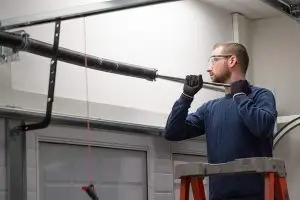
Frequently Asked Questions
How many turns does a 12×12 garage door need?
A common guideline is 12½ turns, based on one full turn per foot of door height plus an additional half turn. However, manufacturer specifications should always take priority.
Can I adjust garage door springs myself?
While it is possible, garage door spring adjustment can be extremely dangerous because the springs are under high tension. Professional adjustment is strongly recommended.
Why does my garage door feel heavy?
A heavy garage door may indicate insufficient spring tension, worn springs, broken springs, or incorrect spring sizing.
What happens if I over-tighten the springs?
Too much spring tension can cause the door to rise too quickly, become difficult to close, and increase the risk of component failure.
How do I know if my garage door is balanced?
A properly balanced garage door should remain in place when opened halfway without drifting upward or falling closed.
When should garage door springs be replaced?
Garage door springs should be replaced if they are broken, severely rusted, stretched, or no longer provide proper door balance.
Conclusion
For a 12-foot-high garage door, the commonly accepted guideline is approximately 12½ turns on the torsion spring. However, this should only be used as a starting reference because the correct adjustment depends on the garage door’s weight, spring size, cable drums, and manufacturer specifications. Since torsion springs operate under extreme tension, incorrect adjustments can create serious safety hazards and damage your garage door system.
If you need garage door spring adjustment or replacement in Rockwall, Your Garage Door Guys is here to help. Their experienced technicians safely inspect, adjust, and replace garage door springs using the correct specifications for your system. Whether you have a residential or oversized commercial garage door, they provide reliable service designed to keep your garage door operating safely and efficiently. Call (469) 389-2010 today to schedule your service or request a free estimate.