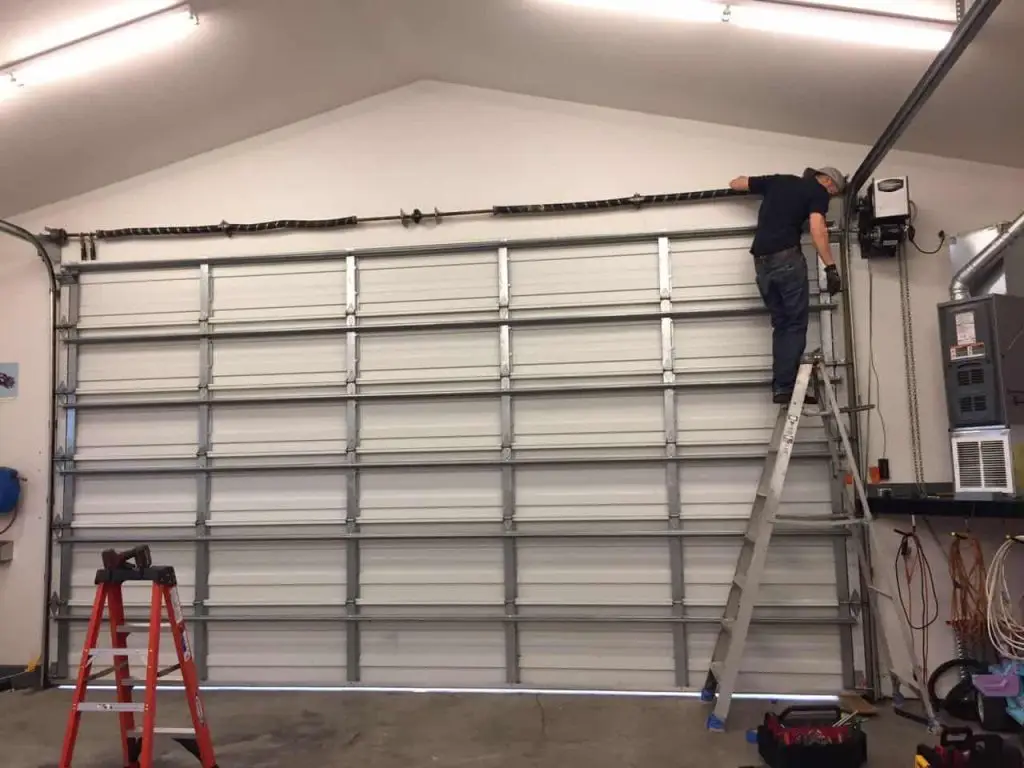
If you’re asking, “What’s the average lifespan of a garage door?”, most garage doors last between 15 and 30 years, depending on the material, build quality, climate, maintenance, and how frequently the door is used. While the door itself can last for decades, the moving components—such as torsion springs, rollers, cables, and the garage door opener—typically wear out much sooner and may need to be replaced several times during the life of the door.
Regular maintenance plays a significant role in extending the lifespan of a garage door. Routine lubrication, tightening hardware, replacing worn components, and scheduling professional inspections can help homeowners avoid unexpected breakdowns while maximizing the value of their investment.
What Determines the Lifespan of a Garage Door?
Not every garage door lasts the same amount of time. Several factors influence how long your garage door will continue operating safely and efficiently.
Important factors include:
- Garage door material
- Frequency of daily use
- Climate and weather exposure
- Installation quality
- Regular maintenance
- Garage door opener condition
- Spring condition
- Roller quality
- Track alignment
A professionally installed garage door that receives routine maintenance will typically last much longer than one that is neglected or subjected to harsh environmental conditions.
Garage Door Lifespan by Material
The material used to manufacture your garage door has one of the greatest impacts on its expected lifespan.
Steel Garage Doors
Steel is one of the most popular garage door materials because it combines strength, affordability, and low maintenance.
Average lifespan:
- 15 to 30 years
Benefits include:
- Excellent durability
- Low maintenance
- Wide variety of styles
- Affordable replacement costs
Potential drawbacks:
- Surface rust in humid or coastal climates
- Dents from heavy impacts
- Paint may require occasional touch-ups
Wood Garage Doors
Wood garage doors offer timeless beauty and premium curb appeal but require more maintenance than other materials.
Average lifespan:
- 15 to 25 years
Advantages include:
- Natural appearance
- Custom finishes
- Luxury aesthetics
- Excellent curb appeal
Maintenance requirements:
- Regular painting
- Staining
- Sealing
- Moisture protection
Without proper maintenance, wood doors may warp, crack, or rot over time.
Aluminum Garage Doors
Aluminum garage doors have become increasingly popular for modern homes because they are lightweight and naturally resistant to corrosion.
Average lifespan:
- 20 to 30 years
Benefits include:
- Rust resistance
- Lightweight construction
- Contemporary appearance
- Low maintenance
Potential disadvantages:
- More susceptible to dents
- Thinner panels on budget models
Fiberglass and Composite Garage Doors
Fiberglass and composite materials offer the appearance of wood while requiring less maintenance.
Average lifespan:
- 20 to 25 years
Advantages include:
- Moisture resistance
- Crack resistance
- Low maintenance
- Lightweight construction
Possible limitations:
- Color fading over time
- Brittleness in extreme heat
- Reduced impact resistance compared to steel
Lifespan of Key Garage Door Components
Although the garage door itself may last several decades, individual components naturally wear out and require replacement over time.
Garage door systems operate using cycles, with one cycle representing one complete opening and closing of the door.
Torsion Springs
Garage door springs perform most of the lifting and balancing.
Typical lifespan:
- 7 to 15 years
- Approximately 10,000 cycles
Signs replacement is needed:
- Loud snapping noise
- Door feels unusually heavy
- Door won’t open completely
- Uneven movement
Garage Door Rollers
Rollers guide the garage door smoothly along the tracks.
Typical lifespan:
- 7 to 12 years
Benefits of upgrading to nylon rollers include:
- Quieter operation
- Reduced vibration
- Longer service life
- Less maintenance
Garage Door Opener
The garage door opener controls the automatic opening and closing of the system.
Typical lifespan:
- 10 to 15 years
Modern openers often provide:
- Smartphone controls
- Battery backup
- Wi-Fi connectivity
- Rolling-code security
- Quiet belt-drive systems
Replacing an aging opener can improve both convenience and reliability.
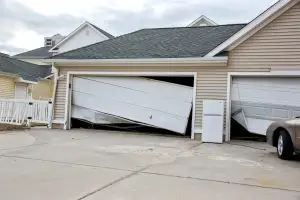
Signs Your Garage Door May Be Reaching the End of Its Lifespan
Even a well-maintained garage door eventually begins showing signs of wear.
Common warning signs include:
- Excessive noise
- Slow operation
- Frequent repairs
- Sagging door sections
- Visible rust
- Cracked panels
- Warped wood
- Broken springs
- Bent tracks
- Worn rollers
- Poor insulation
- Outdated safety features
If multiple problems occur at the same time, replacing the garage door may be more cost-effective than continuing to repair it.
How to Extend the Life of Your Garage Door
Routine maintenance is one of the best ways to maximize the lifespan of your garage door.
Lubricate Moving Parts
Apply a quality lithium-based lubricant every six months to:
- Hinges
- Bearings
- Springs
- Rollers
- Pivot points
Proper lubrication reduces friction, minimizes wear, and helps the door operate more quietly.
Tighten Hardware
Daily vibration gradually loosens hardware.
Inspect and tighten:
- Bolts
- Nuts
- Brackets
- Hinges
- Track fasteners
Loose hardware can lead to misalignment and unnecessary stress on other components.
Schedule Professional Maintenance
Professional inspections help identify minor issues before they become major repairs.
Technicians typically inspect:
- Springs
- Cables
- Rollers
- Tracks
- Hinges
- Garage door opener
- Safety sensors
- Door balance
Most experts recommend professional servicing every 1 to 2 years.
Should You Repair or Replace an Aging Garage Door?
As a garage door approaches the end of its expected lifespan, homeowners often wonder whether repairs are still worthwhile.
Repairing may be appropriate if:
- Damage is minor
- The door is relatively new
- Replacement parts are available
- Repairs are inexpensive
Replacement may be the better option if:
- The door is over 20 years old
- Repairs are becoming frequent
- Multiple components have failed
- Energy efficiency is poor
- The door has structural damage
Investing in a new garage door often provides improved security, quieter operation, better insulation, and increased home value.
Why Professional Maintenance Matters
Garage doors are among the largest and heaviest moving systems in most homes.
Professional technicians help ensure:
- Proper spring tension
- Correct door balance
- Smooth track alignment
- Safe opener operation
- Reliable safety sensors
- Longer component lifespan
Routine professional maintenance often reduces unexpected repairs while extending the life of the entire system.
Why Homeowners in Rockwall Choose Your Garage Door Guys
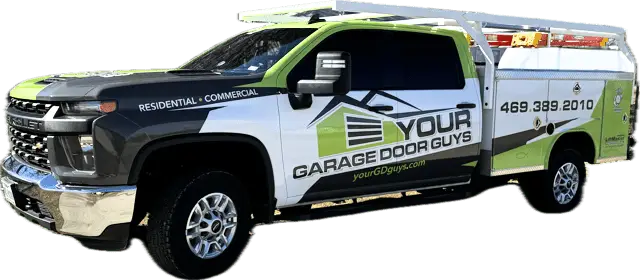
Homeowners throughout Rockwall trust Your Garage Door Guys for professional garage door maintenance, repair, replacement, and installation.
Their experienced technicians help homeowners maximize the lifespan of their garage doors through:
- Comprehensive inspections
- Preventive maintenance
- Spring replacement
- Roller replacement
- Garage door opener service
- Track adjustments
- Professional installations
Whether your garage door needs routine servicing or a complete replacement, they provide honest recommendations, transparent pricing, and dependable workmanship.
Frequently Asked Questions
How long does the average garage door last?
Most garage doors last between 15 and 30 years, depending on the material, maintenance, climate, and frequency of use.
What garage door material lasts the longest?
Steel and aluminum garage doors generally offer the longest lifespan, often lasting 20 to 30 years with proper maintenance.
How long do garage door springs last?
Most torsion springs last between 7 and 15 years, or approximately 10,000 opening and closing cycles.
How often should I lubricate my garage door?
Most manufacturers recommend lubricating moving metal components every six months to reduce wear and improve performance.
How often should a garage door be professionally serviced?
Professional inspections are recommended every one to two years to maintain safe operation and identify worn components before they fail.
When should I replace my garage door instead of repairing it?
If your garage door is over 20 years old, requires frequent repairs, or has major structural damage, replacement is often the better long-term investment.
Conclusion
The average garage door is designed to last between 15 and 30 years, but its actual lifespan depends on the quality of the materials, installation, maintenance, and daily use. While the door itself can provide decades of reliable service, components such as springs, rollers, and garage door openers naturally wear out sooner and should be inspected and replaced as needed. By performing regular maintenance and scheduling professional inspections, homeowners can extend the life of their garage door while improving safety, performance, and reliability.
If you’re unsure whether your garage door is nearing the end of its lifespan, Your Garage Door Guys proudly serves homeowners throughout Rockwall with expert inspections, maintenance, repairs, and garage door replacements. Their experienced team can evaluate your system, recommend the most cost-effective solution, and help keep your garage door operating safely for years to come. Call Your Garage Door Guys today at (469) 389-2010 to schedule an inspection or request a free estimate.