
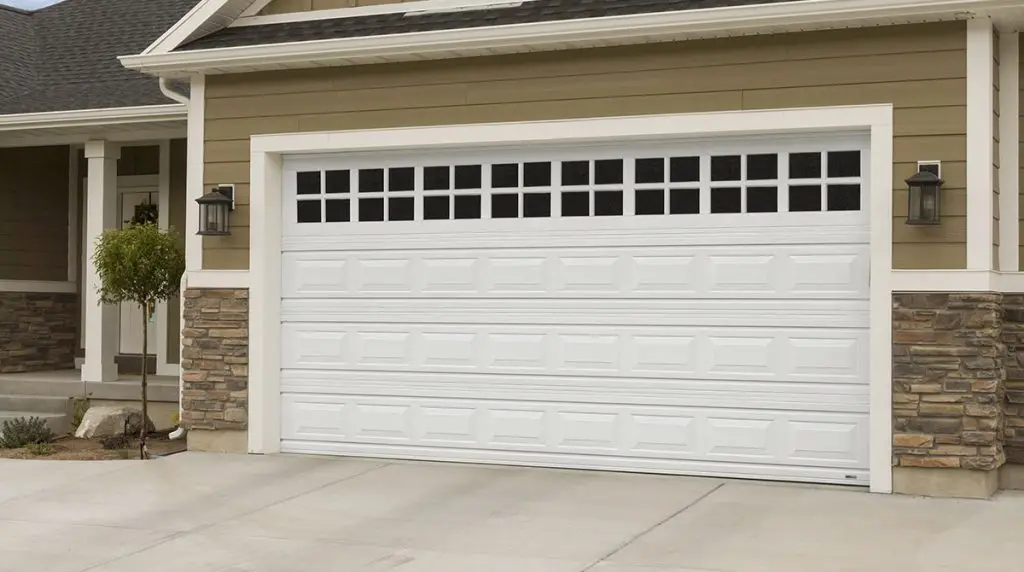
If you’re asking, “Where do garages lose the most heat?”, the garage door is the biggest source of heat loss in most homes. Because garage doors cover a large opening and are often made from thin, non-insulated steel or aluminum, they allow heat to escape much faster than insulated walls. Worn weatherstripping, gaps around the door, and damaged bottom seals can make the problem even worse.
After the garage door, the roof or ceiling, exterior walls, entry doors, and concrete floor are the next largest areas where heat escapes. Improving insulation and sealing air leaks in these locations can make your garage more comfortable while reducing heating and cooling costs throughout your home.
The Garage Door (Largest Source of Heat Loss)
The garage door is typically responsible for the greatest amount of heat loss.
Unlike insulated exterior walls, many garage doors are constructed from thin metal panels that transfer heat quickly.
Common causes of heat loss include:
- Non-insulated steel panels
- Aluminum doors
- Worn weatherstripping
- Damaged bottom seals
- Gaps around the frame
- Poor insulation
Every time warm air escapes through the garage door, your home’s heating system must work harder to maintain indoor temperatures.
Installing an insulated garage door is one of the most effective ways to reduce energy loss.
Why an Insulated Garage Door Makes a Difference
Modern insulated garage doors are designed to reduce heat transfer.
Benefits include:
- Better temperature control
- Lower heating costs
- Lower cooling costs
- Reduced outside noise
- Stronger door construction
- Improved comfort
Many insulated garage doors feature polyurethane or polystyrene insulation with R-values ranging from R-6 to R-18 or higher.
If your garage is attached to your home, upgrading to an insulated garage door can significantly improve overall energy efficiency.
The Ceiling and Roof
Heat naturally rises, making the garage ceiling another major source of energy loss.
If the ceiling is poorly insulated, warm air escapes through:
- Roof decking
- Ceiling cavities
- Attic spaces
- Unsealed openings
This becomes especially important if:
- A bedroom is located above the garage.
- A bonus room sits above the garage.
- The garage is heated.
- The garage serves as a workshop.
Adding insulation to the garage ceiling can dramatically improve comfort inside both the garage and the rooms above it.
Exterior Walls
Garage walls also contribute to heat loss, particularly in older homes.
Common issues include:
- Missing insulation
- Thin wall construction
- Masonry walls
- Cinder block walls
- Air leaks around outlets
- Cracks in the structure
Heat escapes through these surfaces by conduction, especially during colder months.
Adding insulation and sealing air leaks helps reduce energy loss while improving indoor comfort.
The Door Between the Garage and House
The entry door connecting the garage to the home is another important area to inspect.
If this door is poorly sealed, cold garage air can enter your living space.
Common problems include:
- Hollow-core doors
- Damaged weatherstripping
- Worn thresholds
- Air gaps
- Poor insulation
Replacing an older door with a properly insulated exterior-rated door can improve energy efficiency throughout the home.
Concrete Floors
Concrete floors also absorb heat.
Although they lose heat more slowly than garage doors or ceilings, they can still affect overall comfort.
Concrete slabs:
- Conduct heat into the ground
- Feel cold underfoot
- Lower indoor temperatures
- Absorb radiant heat
Many homeowners add:
- Floor coatings
- Insulated mats
- Area rugs
- Raised flooring systems
These upgrades improve comfort without requiring major construction.
Signs Your Garage Is Losing Heat
You may already have signs that your garage is poorly insulated.
Common indicators include:
- Cold garage during winter
- Hot garage during summer
- Drafts near the garage door
- Rising utility bills
- Cold rooms above the garage
- Excessive condensation
- Ice forming around weather seals
Identifying these issues early can help prevent higher energy costs.
Ways to Improve Garage Energy Efficiency
Improving insulation doesn’t always require a complete remodel.
Simple upgrades include:
- Install an insulated garage door.
- Replace worn weatherstripping.
- Install a new bottom seal.
- Add ceiling insulation.
- Insulate exterior walls.
- Seal cracks and air leaks.
- Upgrade the entry door.
- Install insulated windows.
Combining several of these improvements can dramatically reduce heat loss.
Is an Insulated Garage Door Worth It?
For most homeowners, the answer is yes.
An insulated garage door provides:
- Lower utility bills
- Better temperature control
- Increased comfort
- Quieter operation
- Improved durability
- Better home value
If your garage is attached to your home or used regularly, insulation often pays for itself over time through energy savings.
Professional Inspection Can Identify Hidden Air Leaks
Some heat loss isn’t immediately visible.
Professional garage door technicians can inspect:
- Door alignment
- Weather seals
- Panel condition
- Track alignment
- Insulation quality
- Air gaps
A professional inspection helps identify opportunities to improve efficiency while extending the lifespan of your garage door.
Why Homeowners in Rockwall Choose Your Garage Door Guys
Homeowners throughout Rockwall trust Your Garage Door Guys for garage door installation, repairs, insulation upgrades, and maintenance.
Their experienced technicians provide:
- Garage door inspections
- Insulated garage door installation
- Weather seal replacement
- Professional maintenance
- Honest recommendations
- Transparent pricing
Whether you’re trying to reduce energy bills or improve year-round comfort, their team can recommend the best garage door solutions for your home.

Frequently Asked Questions
Where do garages lose the most heat?
The garage door is usually the largest source of heat loss because of its size, thin construction, and air gaps around the edges.
Is an insulated garage door worth it?
Yes. Insulated garage doors reduce heat transfer, improve comfort, lower energy bills, and operate more quietly.
Does the garage ceiling need insulation?
If your garage is attached to your home or has living space above it, insulating the ceiling can significantly improve energy efficiency.
Can weatherstripping reduce heat loss?
Absolutely. Replacing worn weatherstripping and bottom seals helps eliminate drafts around the garage door.
Do concrete floors lose heat?
Yes. Concrete absorbs heat and can make garages feel colder, although heat loss through the floor is generally less significant than through the garage door.
Should I hire a professional to inspect my garage door?
Yes. A professional can identify hidden air leaks, worn seals, insulation problems, and other issues that affect your garage’s energy efficiency.
Conclusion
The garage door is the single largest source of heat loss in most garages, followed by the ceiling, exterior walls, entry doors, and concrete floor. Because garage doors occupy such a large portion of the building envelope, upgrading to an insulated model and replacing worn weather seals can dramatically improve energy efficiency, indoor comfort, and heating performance. When combined with proper insulation throughout the garage, these improvements can lower utility costs while protecting your home from extreme outdoor temperatures.
If you’re looking to improve your garage’s energy efficiency in Rockwall, Your Garage Door Guys can help. Their experienced technicians provide insulated garage door installation, weather seal replacement, garage door repairs, and professional maintenance designed to reduce heat loss and improve year-round comfort. Whether you need a complete garage door replacement or simple insulation upgrades, they offer dependable solutions tailored to your home’s needs. Call (469) 389-2010 today to schedule your consultation or request a free estimate.